Serving San Francisco, CA and surrounding areas. (628) 895-9188
A crack that looks minor today can become a full replacement by spring. Get asphalt repair that addresses the root cause - not just the surface.
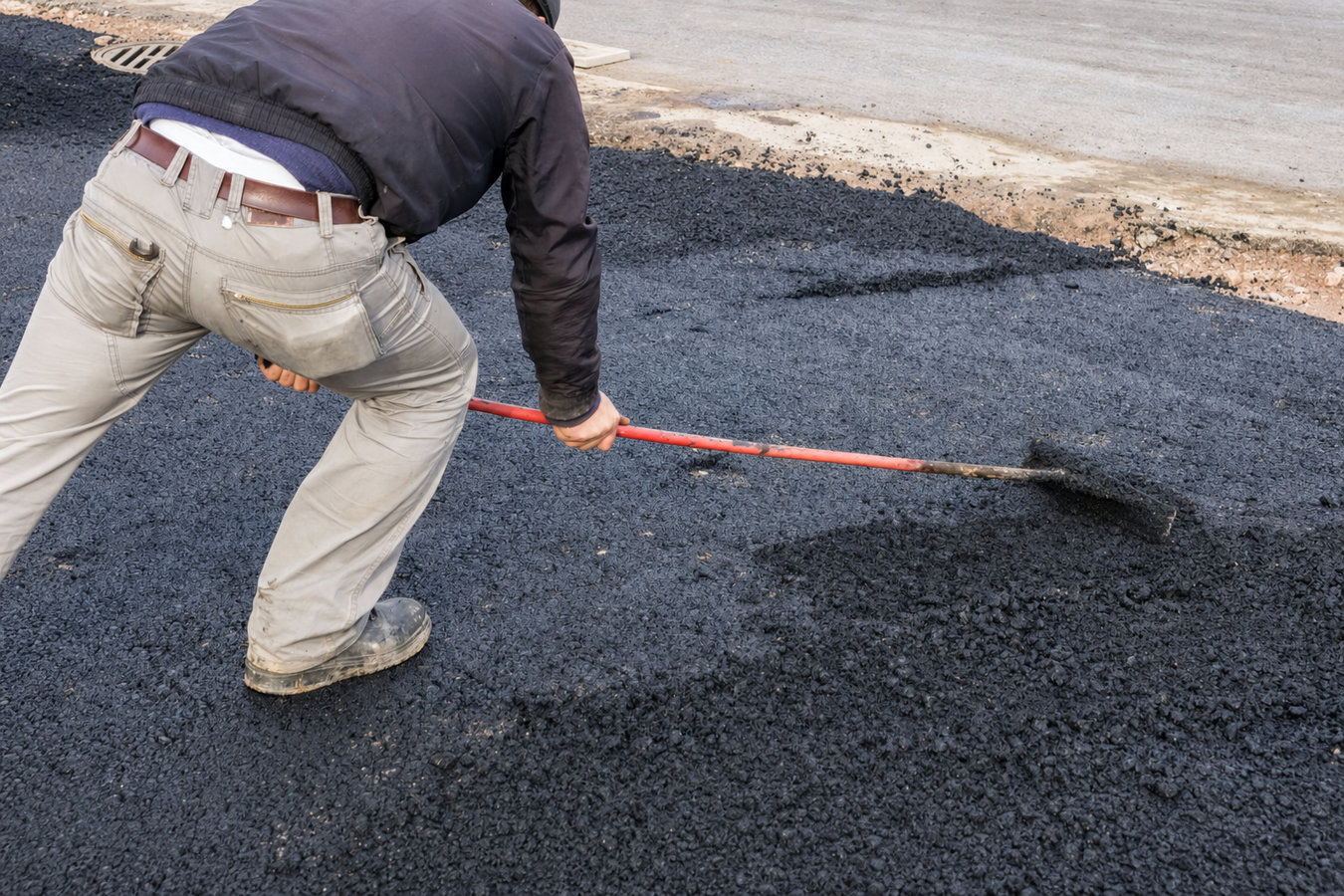
Asphalt repair in San Francisco means cutting out or filling damaged sections of a driveway or paved area, fixing the base if needed, and repaving with fresh material - most jobs take a few hours to a full day, and you can drive on the repaired surface within 24 hours.
The most important thing to understand about asphalt repair in San Francisco is that surface patching alone often fails. The city sits on shifting soils - fill, bay mud, unstable hillside ground - and when the ground moves, it cracks the pavement from below. A repair that only addresses what you can see at the surface will crack again in the same spot. Proper repair means assessing and stabilizing the base before any new asphalt goes down.
Narrow cracks that have not yet broken apart can often be handled with our asphalt crack sealing service, which is faster and less expensive than a full-section repair. Knowing which approach fits your situation is something we walk through clearly during the estimate visit.
A single hairline crack is easy to ignore, but once cracks start branching, widening, or forming a web pattern, water is already getting in. In San Francisco damp, foggy climate, that moisture works year-round to widen the damage - what looks cosmetic is usually structural in progress.
If part of your driveway has dropped lower than the surrounding surface, the base underneath has shifted or eroded. This is especially common in neighborhoods on filled land. Uneven surfaces collect standing water and are a trip hazard - both problems get worse over time.
Once asphalt starts breaking apart into loose chunks or the edges begin to crumble, the material has lost its structural integrity and crack sealing alone will not help. These areas need to be cut out and properly replaced before surrounding pavement is affected.
Water pooling on your paved surface after rain - or even after a heavy San Francisco fog - means the surface has developed low spots from settling or base erosion. Standing water is one of the fastest ways to accelerate asphalt breakdown, and it signals both drainage and surface need attention.
We handle the full range of asphalt repair work - from isolated pothole patches to full-section replacements where the base has failed. Every repair starts with an honest assessment: we look at the damage, check the base condition, and tell you whether you need a surface patch, a full-depth repair, or something in between. If narrow, intact cracks are your main issue, our asphalt crack sealing service is typically faster and less expensive than cutting out a section, and it stops moisture from getting underneath.
When repairs reveal that the pavement is failing in multiple areas and patching is no longer cost-effective, we can transition directly into a full replacement or resurfacing plan. We also connect repair work with our pothole repair service for parking areas or private roads where multiple failure points need to be addressed in a single visit.
Best for isolated potholes or localized damage where the surrounding pavement and base are still structurally sound - a targeted, cost-effective fix.
Best when damage runs deep or the base has failed - we cut out the section, compact or stabilize the base, and repave with fresh hot-mix asphalt for a lasting result.
Best for sloped driveways where water pooling at the low end is accelerating surface breakdown - we address the grade and drainage as part of the repair, not as a separate project.
Best for properties with several problem spots across a driveway or parking area - consolidating repairs into one visit keeps costs down and minimizes disruption.
San Francisco persistent coastal fog keeps pavement damp for much of the year, and that moisture works its way into any existing crack and slowly breaks down the material underneath. Unlike cities with hard winters, the damage here is gradual - oxidation, softening of the binder, and slow water infiltration - which means asphalt can look okay on the surface while quietly deteriorating below. In the foggiest neighborhoods like the Outer Sunset, the Outer Richmond, and areas near the bay, asphalt tends to age faster than it would in a drier inland city. The city also sits on fill and shifting soils in many neighborhoods, meaning repairs need to account for ground movement as much as surface wear.
Scheduling matters here too. Asphalt repair needs dry, mild conditions to bond and cure, and San Francisco rainy season runs roughly November through April. Booking repairs in the dry season - late spring through early fall - gives the material the best chance to set correctly. We serve the entire Bay Area, including Oakland, CA and Daly City, CA, and we bring the same approach to base assessment and drainage on every job.
Call or message us and describe what you are seeing - cracks, potholes, sunken spots, or general deterioration. We respond within one business day and schedule a free on-site estimate at your convenience.
We look at the damage, check the base condition, and assess drainage. You get a written quote that explains what needs to be done and why - whether that is a surface patch, a full-depth repair, or crack sealing.
Once the scope and price are agreed, we schedule a repair date during the dry season if possible. Before the crew arrives, clear the area of vehicles, bins, and anything stored near the pavement.
The crew cuts out or fills the damaged sections, compacts the base as needed, and lays fresh asphalt. Most jobs are done in a single day. You will be kept off the repair area for at least 24 hours, and your contractor will walk you through what to watch for and when a sealcoat makes sense.
We assess the damage honestly, explain the options, and give you a written quote - no sales pitch, no obligation.
(628) 895-9188Most repeat failures in San Francisco happen because a repair only addressed what was visible. We assess the base condition on every job, and when ground movement or drainage is the root cause, we fix that before putting new asphalt down - so the repair actually lasts.
Ground movement on filled land and drainage pressure on steep grades are the dominant causes of asphalt failure in this city. We work in San Francisco neighborhoods regularly and understand those conditions in a way that a contractor from outside the area typically does not.
Asphalt repairs need dry conditions to cure correctly. We prioritize scheduling during San Francisco dry season - late spring through early fall - and monitor the forecast before any job. If you have urgent damage heading into winter, we will advise you honestly on timing.
We provide a written scope of work before any job begins and stand behind our repairs with a workmanship warranty. You can also verify our California contractor license through the California Contractors State License Board and confirm we carry liability and workers compensation coverage before work starts.
Asphalt damage in San Francisco does not stay small. The combination of shifting soils, persistent fog, and winter rains means a crack that looks minor in September can be a much bigger problem by March. Calling us now is the most cost-effective path. For guidance on industry standards for repair materials and techniques, the National Asphalt Pavement Association publishes best practices that licensed contractors follow.
Seal narrow cracks before water gets in and turns a small issue into a costly section repair.
Learn MoreTargeted pothole filling for driveways, parking areas, and private roads with proper base compaction.
Learn MoreDry-season slots fill up fast - call now for a free estimate and lock in a date while conditions are right for a lasting repair.
