Serving San Francisco, CA and surrounding areas. (628) 895-9188
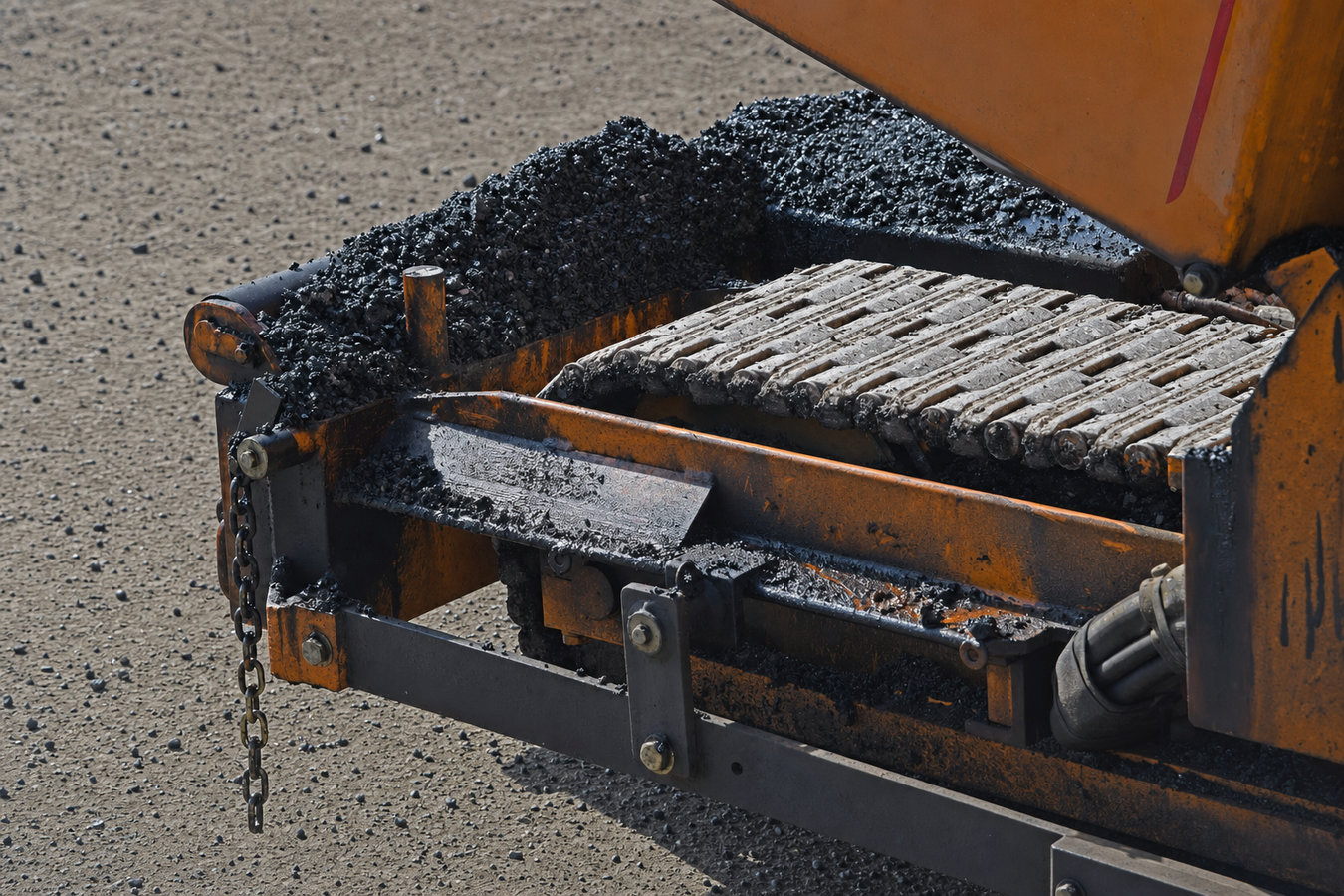
Grinding down a cracked surface layer is smarter and cheaper than covering it up. We mill, haul, and repave so your driveway bonds and lasts.
Asphalt milling in San Francisco grinds down the damaged top layer of an existing driveway or paved area using a machine with a rotating drum of carbide teeth, removing only the worn material and leaving a clean, textured base ready for fresh asphalt - most residential driveways are milled in a few hours, with new pavement following the same or next day.
Paving over a deteriorated surface without milling buries the problems. Cracks and soft spots telegraph back through the new layer within a season or two, and you end up paying to pave twice. Milling removes the damaged material entirely, so the new asphalt grips a solid, correctly profiled base and performs the way it should for years. It also keeps the finished surface at the right height relative to your garage floor, any drain inlets, and curb transitions - a common issue in older San Francisco neighborhoods where driveways have been patched and overlaid multiple times.
If milling exposes surface drainage issues - low spots that pool water or margins that direct runoff toward the foundation - our drainage solutions service can address water management and surface protection in the same project scope.
You can see a network of cracks across the pavement, but it does not flex or sink when you walk on it. That tells you the base is likely still intact - the damage is in the top layer, which is exactly what milling removes. Catching it now is far less expensive than waiting until the base fails too.
San Francisco's rainy season is the real test of a paved surface. If water now sits in low spots that used to drain fine, the surface has deformed or settled unevenly. Milling restores the proper surface profile so water sheds correctly and stops pooling near your garage or landscaping.
If the asphalt looks like it is coming apart - small pieces of aggregate loosening, a gravelly texture where it used to be smooth, or a surface that scuffs easily - the top layer has oxidized and broken down. This is common on older San Francisco driveways that have never been resurfaced. Milling removes that deteriorated material cleanly.
Years of overlaying new asphalt on top of old can raise the surface to the point where it conflicts with a garage threshold, a drain inlet, or a curb transition. This is a common problem in older San Francisco neighborhoods where driveways have been patched repeatedly. Milling removes the excess material and brings the surface back to the right elevation.
We provide asphalt milling for residential driveways and private paved areas across San Francisco. The process starts with an in-person site assessment - a contractor who quotes a milling job over the phone without seeing the surface is a yellow flag. We walk the surface, check for soft spots and drainage issues, determine how much material needs to come off, and confirm the base condition before we schedule anything. If the base has softened or settled, we will tell you honestly whether milling and repaving is the right call or whether base repair needs to happen first.
The ground-up material does not sit in your yard - it is loaded directly into trucks during the milling process and taken to an asphalt plant for recycling. For San Francisco homeowners who care about sustainability, reclaimed asphalt pavement is one of the most recycled materials in construction. Once the surface is milled clean, the new asphalt layer follows quickly. We also offer asphalt resurfacing as a companion service for properties where the milled area transitions to surfaces that need a fresh overlay.
Best for homeowners whose driveway surface has cracked, oxidized, or settled unevenly and whose base is still structurally sound - milling removes what is failing without touching what is not.
Suits jobs where only a precise amount of material needs to come off - for example, bringing a driveway surface back to the correct elevation at a garage threshold without over-grinding the entire area.
For most residential jobs, the new asphalt layer is scheduled the same day or next day after milling so the surface is back in service quickly - minimizing the time your driveway is out of use.
Ideal when milling is the first step in a broader paving project - combining surface removal with drainage corrections, edge repairs, or a complete new paving layer across the entire property.
San Francisco's ground moves. The city sits on a mix of bedrock, sandy fill, and bay mud, and seasonal moisture changes cause gradual shifting across many neighborhoods - particularly in the western and southern parts of the city. That movement is the primary reason driveways develop cracks over time in the Bay Area, not freeze-thaw cycles like in colder climates. The city also gets most of its 20 or so annual inches of rain in concentrated bursts between November and March. Every open crack in your pavement is an entry point for that water, and once water reaches the base it softens the material underneath and the surface starts to fail from below. Milling removes the cracked layer before that process gets going. For homeowners in Oakland and across the East Bay, the same combination of wet winters and ground movement makes timely milling equally important.
San Francisco's steep hills and tight urban lots add a layer of complexity to milling that contractors less familiar with the city sometimes underestimate. Steep grades affect how the milling machine operates, how material is loaded into trucks, and how the new asphalt is compacted afterward. Many driveways in neighborhoods like Noe Valley, Bernal Heights, and Twin Peaks require operators comfortable with pitched surfaces and narrow access. Homeowners in Berkeley share similar hillside access challenges, and local experience matters just as much there. We schedule work in the warmer, drier afternoon windows and never start a new paving layer over a damp surface.
For information on asphalt recycling and sustainable paving practices, see the National Asphalt Pavement Association.
Describe your surface - its approximate size, what you are seeing, and whether there are access challenges like a steep grade or a narrow gate. We schedule a site visit within one business day. We measure the area, assess the depth of damage, and check the base condition before writing a single number. No phone guesses.
The site visit is where we determine how much material needs to come off. We check for soft spots, drainage issues, and any base problems that need addressing before milling begins. If permits are needed for street staging, we apply before scheduling your job - no surprises on the day of work.
The milling machine grinds the surface to the agreed depth. Ground-up material is loaded directly into trucks as the machine works and hauled away for recycling - no pile of rubble in your yard. The crew sweeps and blows out loose debris and confirms the depth and profile are consistent across the entire surface.
The new layer is applied the same day or the following day, compacted, and finished at edges and transitions. Plan to stay off the surface for at least 24 hours before foot traffic and a bit longer before driving. We do a final walkthrough with you - check edges, transitions, and drainage - before we leave the site.
Free on-site estimate - we visit your property, assess the base, and give you a written quote with no pressure to commit.
(628) 895-9188A milling job quoted over the phone without seeing the surface is a yellow flag. We visit every property, walk the surface, check the base, and assess access conditions - including steep grades and tight lots - before we write a single number. That site visit is free and comes with no obligation.
Steep grades, narrow access, and the challenge of safely operating and loading equipment on pitched surfaces are things not every milling contractor handles well. We have worked on hillside properties across San Francisco's neighborhoods since 2017 and know what those jobs require at every stage.
The ground-up asphalt is loaded directly into trucks during milling and taken to a plant where it is recycled into new pavement mix. Almost none of it goes to landfill. Your driveway is back to a clean, workable surface the same day - no pile of debris waiting to be hauled.
If your base is solid and the damage is in the top layer, we will tell you milling and repaving is the right call. If the base has failed and you actually need a full reconstruction, we will tell you that too - and explain exactly why, so you can make an informed decision without pressure.
Milling is only as good as the assessment that precedes it. When you work with us, you get an honest read on what your surface actually needs, a crew experienced with San Francisco's specific terrain, and a new pavement layer that bonds correctly because the damaged material underneath was removed - not covered up.
Fix the water flow problems that shorten the life of any paved surface - proper drainage is what protects your new asphalt layer through every San Francisco winter.
Learn MoreApply a fresh layer of hot-mix asphalt over a milled or prepared surface to restore appearance, drainage, and durability across a driveway or paved area.
Learn MoreEvery open crack in your driveway is a water entry point. Call now for a free on-site estimate and get the work scheduled while dry-season windows are still available.
