Serving San Francisco, CA and surrounding areas. (628) 895-9188
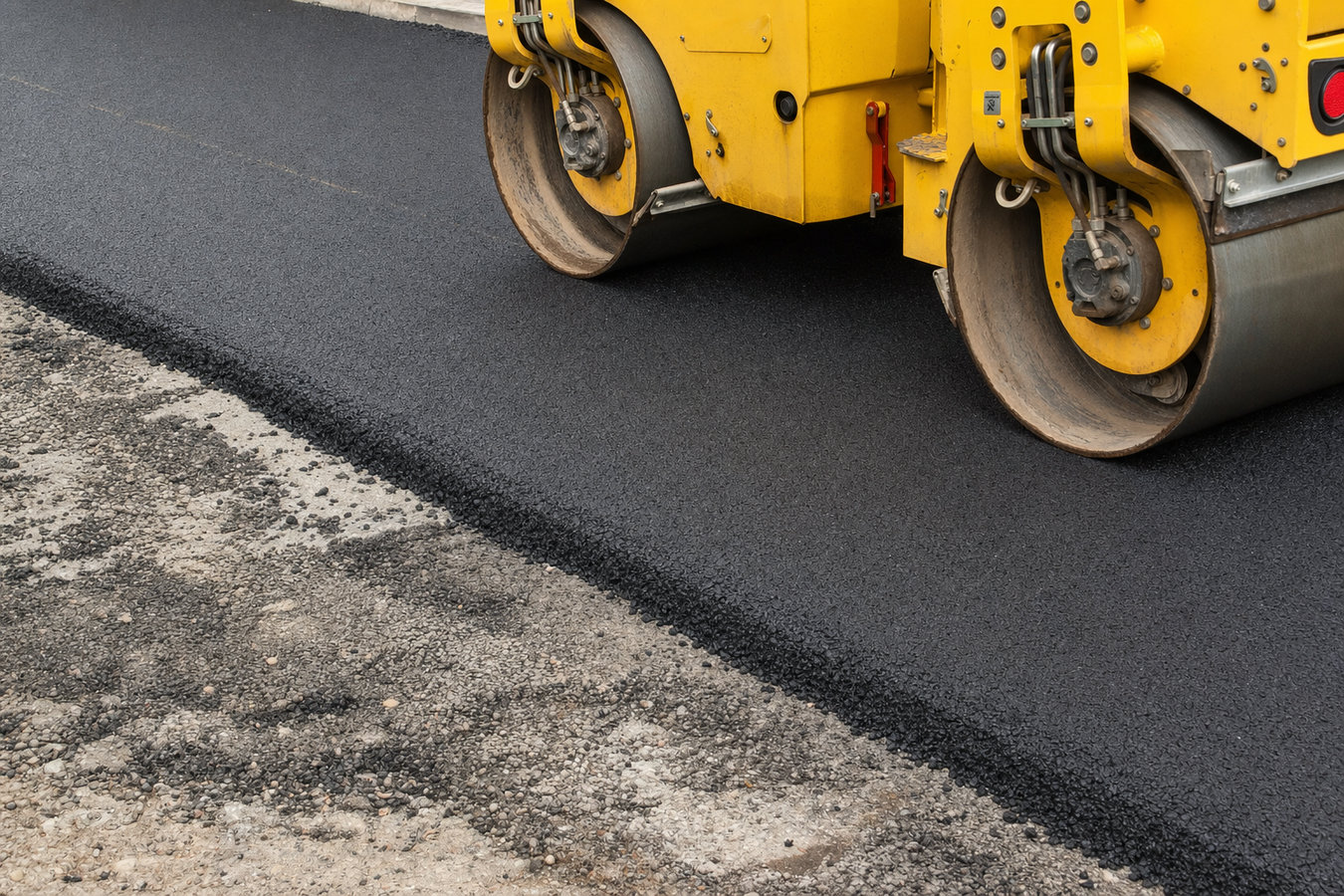
Advanced San Francisco Asphalt Paving serves Berkeley with asphalt paving, driveway repair and replacement, crack sealing, and parking lot work - covering every part of Berkeley from the older bungalow blocks near Telegraph and Shattuck to the steep, wooded hillside lots above Grizzly Peak, with crews who understand clay soils, tree root damage, and Berkeley Hills access challenges.
Most Berkeley driveways were installed before 1960, and the original asphalt sits over bases that were compacted by hand equipment far less capable than modern machinery. Our asphalt paving starts with a proper base assessment and preparation - because a new surface over a failed base just delays the same problem by a few years.
Berkeley driveways come in two very different varieties. Flatland driveways in the bungalow neighborhoods near Telegraph and Shattuck are typically short concrete or asphalt strips dealing with clay soil movement and tree root damage. Hillside driveways in the Berkeley Hills are often steep, narrow, and may require retaining walls or drainage channels to manage runoff - and building one correctly requires experience with the specific challenges of hillside access and slope drainage.
Berkeley's concentrated winter rains - most of the city's annual 20 to 25 inches falls between November and March in heavy storm events - make crack sealing before the wet season one of the most cost-effective maintenance steps a property owner can take. An open crack in October can become a failed driveway section by February if water is allowed to saturate the base material repeatedly through storm after storm.
Alligator cracking across a Berkeley driveway is almost always a sign of base failure or soil movement - not just surface wear. Patching the top without understanding what caused it means the same cracks will reappear within a season or two. Berkeley's clay soils and tree root intrusion are the two most common root causes, and addressing both is part of how we approach every repair here.
Berkeley's dry summers are long - rain essentially stops from May through September - and that extended UV exposure oxidizes and dries out untreated asphalt surfaces faster than most homeowners expect. Sealcoating extends pavement life significantly and is best done during Berkeley's dry season when the work can cure fully before the first fall rains.
Hillside lots in the Berkeley Hills often require grading work before any paving can be done - sloped surfaces need proper subgrade shaping to ensure drainage runs away from the home rather than pooling against the foundation or garage. We handle grading and excavation as part of paving projects on Berkeley hillside properties rather than subcontracting it out separately.
The majority of Berkeley homes were built before 1960, and a large share date to the 1920s through 1940s. Craftsman bungalows, brown shingle houses, and Victorian-era properties dominate the flatland neighborhoods, many sitting on original concrete or asphalt driveways that have never been fully replaced. The problem with most of these older driveways is not just their age - it is that Berkeley's expansive clay soils have been working on them from below for decades. Clay soils swell and shrink with each wet and dry cycle, and that movement is what opens cracks from underneath, not wear from traffic above. A contractor who does not assess base conditions before paving will deliver a surface that fails on the same schedule as the one it replaced.
Berkeley's tree canopy adds another persistent pressure on driveways. The city has a dense urban forest, and mature oaks, redwoods, and other large trees send roots under driveways throughout the flatlands. Root intrusion lifts and cracks asphalt surfaces from below, and any repair that does not address the root intrusion will fail again quickly. The Hayward Fault also runs directly through Berkeley - past the UC campus and into the hills - and even minor seismic activity can shift retaining walls, crack concrete slabs, and move driveway sections that appeared stable the season before. Homeowners near the fault are advised to keep an eye on any masonry or paved surface that shows sudden new cracking following any notable shaking event.
Our crew works throughout Berkeley regularly, and we understand the local conditions that affect asphalt paving work here. Berkeley splits into two very different work environments. The flatlands - the neighborhoods between Interstate 80 and the hills, running from the waterfront near the Fourth Street area east to Telegraph Avenue and Shattuck Avenue - have dense blocks of older bungalows with small lots, street trees, and driveways that have been repaired repeatedly. The hills - accessed via Grizzly Peak Boulevard, Claremont Avenue, and a network of narrow residential streets - have larger properties on steep lots where equipment access requires planning and often smaller machinery than a standard flat-lot paving job.
The UC Berkeley campus anchors the middle of the city and creates a distinctive local character - a dense mix of residential neighborhoods, commercial corridors, and institutional buildings that means traffic on University Avenue and Telegraph Avenue builds quickly during the school year. We schedule deliveries and crew arrivals with Berkeley's local traffic patterns in mind, particularly around campus access routes. For customers in nearby Albany, just north of Berkeley along the bay, we cover that area as well with the same knowledge of the older East Bay housing stock. We are also familiar with permit requirements managed through berkeleyca.gov for any work touching sidewalks or the public right-of-way.
One thing that comes up regularly in Berkeley is homeowners who have received conflicting advice about whether their driveway needs repair or full replacement. Because so many Berkeley driveways look serviceable on the surface but have base problems underneath, the correct answer is not always obvious from a visual inspection alone. We assess the full picture before recommending anything - and we give you a straight answer rather than defaulting to the higher-cost option.
Call or use the contact form and describe your project and your address. We reply within one business day and schedule a site visit - you do not need to be present for the assessment, but we prefer it so we can answer your questions directly.
We come to your Berkeley property and assess the condition of the existing surface, base, drainage, tree root exposure, and access. We provide a written estimate at no cost and no obligation - and we will tell you honestly whether repair, resurfacing, or full replacement is the right approach for your situation and budget.
Once you approve the estimate, we schedule the job and complete the demolition, base prep, and paving - typically one to two days for a standard Berkeley residential driveway. Hill access jobs and larger commercial projects are scoped individually with a specific timeline.
We walk through the finished work with you before we pack up and confirm exactly when you can drive on the surface - typically two to three days for new asphalt in normal Berkeley weather. If anything needs attention, we handle it before closing out the job.
We cover all of Berkeley - flatlands, hills, and everything in between. Call or send a message and we will get back to you within one business day with a free, no-obligation estimate for your Berkeley property.
(628) 895-9188Berkeley is a compact, dense city of roughly 120,000 to 130,000 people on the eastern shore of San Francisco Bay in Alameda County. It covers about 10 square miles and is anchored by the University of California, Berkeley campus, one of the most prominent public universities in the country. The city divides naturally into the flatlands along the bay - denser residential blocks of Craftsman bungalows, brown shingle houses, and mixed commercial streets along Telegraph Avenue, Shattuck Avenue, and University Avenue - and the Berkeley Hills rising steeply to the east, with larger homes on wooded lots accessed by winding roads like Grizzly Peak Boulevard and Claremont Avenue. Berkeley has some of the oldest housing stock in the Bay Area, with a large share of homes built before 1940.
The flatland neighborhoods near the Fourth Street retail corridor and the waterfront have a distinct character from the quieter hillside streets above campus. Tree canopy is dense throughout the city, and mature oaks, redwoods, and other large trees are a consistent feature of both flatland and hillside properties - and a common source of driveway and sidewalk damage. Neighboring Albany borders Berkeley to the north along the bay, and we serve both communities. To the south, Berkeley borders Oakland, where we are also active across a wide range of residential and commercial paving projects.
Berkeley's clay soils, tree roots, and winter storms are hard on asphalt - we know what causes the damage and how to fix it right. Call now for a free, no-obligation estimate.
