Serving San Francisco, CA and surrounding areas. (628) 895-9188
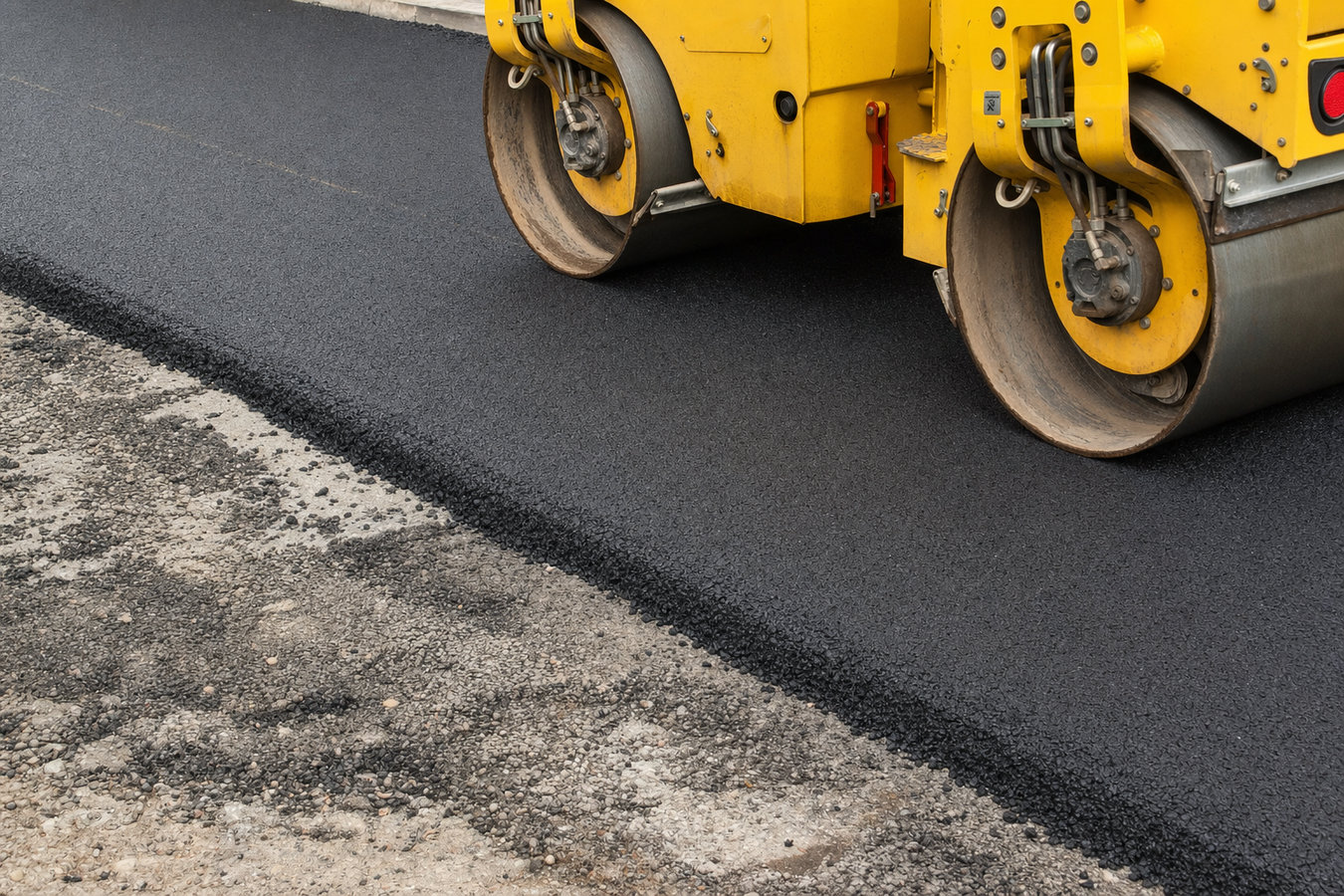
Advanced San Francisco Asphalt Paving serves San Francisco with asphalt paving, driveway installation, parking lot construction, and asphalt repair - serving every neighborhood in the city since 2017, with experience on the steep lots, tight access, and city permit requirements that define work here.
San Francisco driveways face a harder test than most - steep grades, soil that shifts under the surface, and months of wet weather each winter all stress pavement that was not built for local conditions. Our asphalt paving work starts with the base, using proper grading and drainage design to keep your surface stable for the long term.
From the flat avenues of the Outer Sunset to the steep hillside streets near Twin Peaks, San Francisco driveways vary enormously - and the crew that handles a flat suburban lot is not necessarily equipped for a ground-floor garage approach on a 15-percent grade. We build driveways for the way San Francisco lots actually work.
Cracks and potholes in San Francisco often trace back to the soil beneath the surface - filled land in the Marina, clay-heavy ground in the Sunset, and made land near SoMa all shift in ways that open pavement from below. We diagnose the cause, not just the symptom, so repairs hold.
Commercial and multi-unit properties across San Francisco rely on well-maintained parking surfaces to keep tenants, customers, and visitors safe. Urban lot paving in this city requires careful drainage planning and knowledge of where permit requirements apply.
San Francisco's rainy season runs November through March, and an unsealed surface goes into that stretch open to months of water intrusion. Sealcoating before the rains arrive is one of the lowest-cost, highest-return steps a property owner can take to extend pavement life.
San Francisco places sidewalk maintenance responsibility on adjacent property owners, and the city's older tree-root-interrupted walkways are a common repair need. We handle curb and sidewalk work that meets city standards and keeps your property in compliance.
San Francisco sits on a peninsula where the geology varies dramatically from one neighborhood to the next. Areas built on sandy fill - parts of the Marina, SoMa, and the western Sunset - shift and settle in ways that stress pavement from below, not from above. The city also sees 20 to 25 inches of rain most years, nearly all of it falling between November and March. That combination of unstable ground and concentrated wet weather means pavement that was not designed for local conditions will fail faster here than almost anywhere else in California. A contractor who treats San Francisco like a flat suburban market is setting up work that will need repair within a few seasons.
The city's hillside terrain adds another layer of complexity. Many San Francisco driveways sit on grades steep enough that drainage, texture, and edge design are not optional - they determine whether the surface is safe in wet weather and whether water runs off cleanly or pools against the garage apron. Paired with San Francisco's consolidated city-county government, which manages permits for any work touching the public right-of-way through sf.gov, the permit process here requires a contractor who knows when approval is needed and how to get it. These are not complications that show up in other markets - they are the baseline of doing paving work in San Francisco correctly.
Our crew works throughout San Francisco regularly, and we understand the local conditions that affect asphalt paving work here. We pull permits through the San Francisco Department of Public Works for right-of-way work and know which projects on private property stay within private property lines. That distinction matters - pulling a permit for work that does not require one wastes time, and skipping one that is required creates problems for the property owner.
San Francisco's neighborhoods each have their own character, and that shows up in paving work. The ground-floor garages common in the Sunset and Richmond require short, steep approach ramps where drainage angle and surface texture are critical. Hillside streets near Twin Peaks and Noe Valley need careful equipment staging on narrow lots. The older housing stock across neighborhoods like the Haight, the Mission, and the Western Addition means driveways that are 60 to 100 years old - and bases that may have never been properly compacted. We work on all of it. For customers in Daly City just south of the city line, our service coverage extends there as well with the same knowledge of Peninsula hillside conditions and coastal moisture.
Getting equipment to a job in San Francisco takes planning. Major corridors like Geary Boulevard, Van Ness Avenue, and the 101 interchange approaches can add real time to a delivery, and many residential streets are narrow enough that oversized trucks simply cannot reach the front of the property. We route deliveries and schedule crew arrivals with San Francisco's specific traffic and access patterns in mind - not as an afterthought, but as part of how every job here gets planned from the start.
Reach us by phone or through the contact form and describe your project - size, condition, and any concerns like slope or drainage. We respond within one business day and will schedule a site visit at your convenience.
We come to your property, measure the area, check the base condition and drainage, and note any access or permit considerations. You receive a written estimate that breaks down what the work costs and why - no surprises at invoice time.
If your project touches the public sidewalk, curb cut, or street apron, we handle the permit application with the city before scheduling the crew. Permit processing typically adds one to two weeks to the timeline - we factor that in upfront.
The crew handles demolition, base prep, paving, and edge finishing. Before we leave, we walk the finished surface with you and give you a curing timeline - including when it is safe to park and what follow-up steps, like sealcoating, will protect your investment long term.
We serve every San Francisco neighborhood - from the Outer Sunset to the Mission to Pacific Heights. No obligation, no pressure, just a clear written quote.
(628) 895-9188San Francisco is a densely packed city of roughly 800,000 people spread across 47 square miles of peninsula land between the Pacific Ocean and San Francisco Bay. Its famous hills - Nob Hill, Twin Peaks, Russian Hill, Potrero Hill, and dozens more - make it one of the most distinctive urban landscapes in the country, and those hills show up in almost every paving project in the city. The residential neighborhoods are varied and historically layered: the Sunset and Richmond districts are filled with early-to-mid 20th century homes built on flat avenues running toward the ocean, while hillside neighborhoods like Noe Valley, Bernal Heights, and Pacific Heights feature older Victorian and Edwardian homes on steep lots with narrow driveways. SoMa and Mission Bay represent newer development, with commercial and mixed-use buildings on terrain that is largely flat but built on filled land near the waterfront.
As the only consolidated city-county in California, San Francisco runs its permit and inspection processes through a single city government, with the Department of Building Inspection and the Department of Public Works handling construction and right-of-way matters. Property owners are responsible for maintaining adjacent sidewalks, which creates consistent demand for concrete and paving work across all neighborhoods. Nearby Daly City sits directly on the city's southern border and shares many of the same hillside terrain conditions, and South San Francisco lies a few miles further down the Peninsula, all within our service area. San Francisco's real estate market is one of the most competitive in the United States, and well-maintained exterior surfaces - driveways, parking lots, walkways - carry real weight in how properties are perceived and valued.
Call us today or submit a free estimate request - we work all across San Francisco and respond within one business day.
